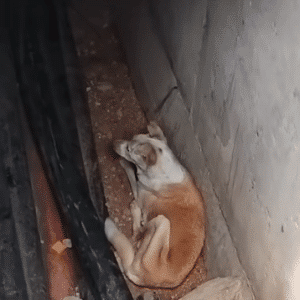
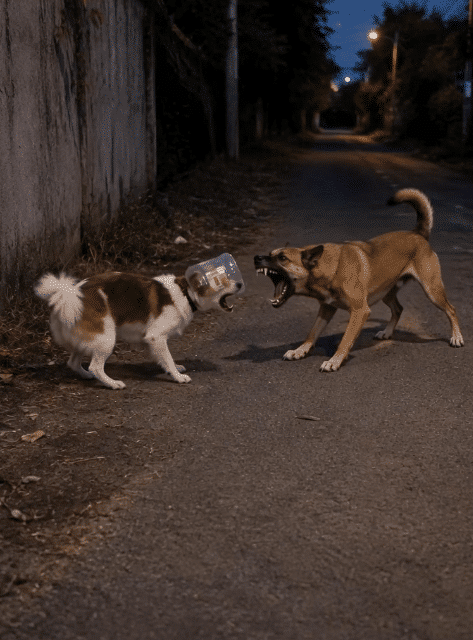
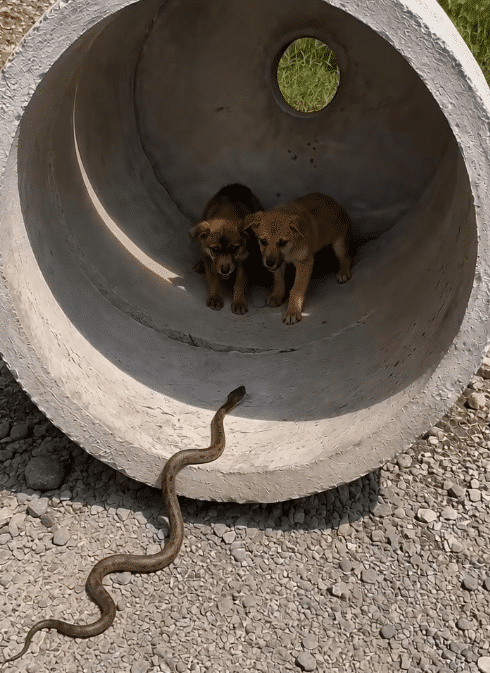
Chito’s story begins quietly, without drama or spectacle, in a place many people passed by without a second thought. Each day, this loyal dog returned to the same iron gate, sitting patiently as if it were a doorway to everything he had ever known. He didn’t bark or scratch. He didn’t cause trouble. He simply waited. In his mind, that gate still represented home, safety, and the bond he believed he shared with the person inside.
What Chito wanted was not complicated. He wasn’t searching for scraps of food or a temporary place to sleep. He was searching for reassurance. For belonging. For someone to look at him and mean it when they said, “You’re home.”
But day after day, that hope was met with rejection.
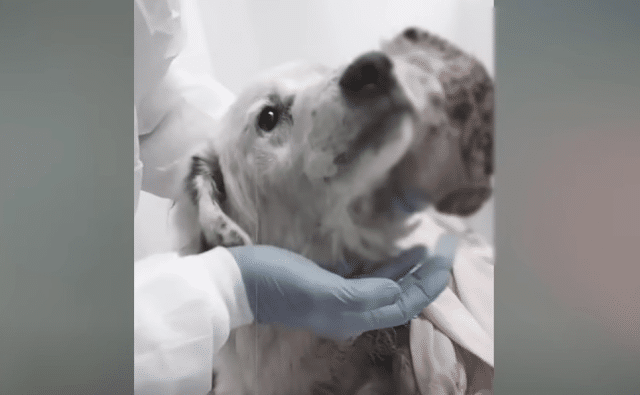
Whenever Chito approached the gate, hopeful eyes lifted and tail wagging softly, he was turned away. The very person he had stayed loyal to refused to let him back inside. Each rejection chipped away at him, not just physically but emotionally. Still, he returned. Not because he didn’t understand what was happening, but because hope can be stubborn—especially in animals who love deeply and without conditions.
Despite everything, Chito never showed anger. He didn’t lash out or grow aggressive. Instead, he waited with quiet dignity, carrying a patience that was heartbreaking to witness. His loyalty never wavered, even as his body grew thinner and his coat lost its shine. He seemed to believe that if he waited long enough, love might remember him.
Someone nearby noticed.
A neighbor had been watching Chito’s daily routine unfold, unable to ignore the sadness any longer. Seeing him sit faithfully at that gate, only to be pushed away again and again, became too painful to accept as “just the way things are.” She reached out for help, and that decision marked the turning point in Chito’s life.
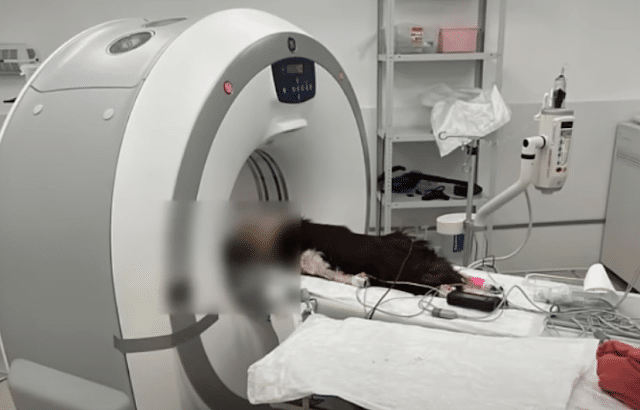
When help finally arrived, the weight of Chito’s experience was immediately clear. His physical condition reflected long-term neglect. He was underweight, tired, and worn down. But what stood out most were his eyes. They told a story no words could fully capture—a story of longing, confusion, and quiet heartbreak. Those eyes weren’t asking for much. They were asking to be seen.
Video From Rejection to Belonging: Chito’s Journey Toward a Forever Home
It became obvious that Chito didn’t just need food or medical care. He needed compassion. He needed someone to step in and say, “You don’t have to wait anymore.”
That day, Chito left the gate behind.
The moment he was taken away from the place that had caused him so much silent pain, something shifted. He didn’t resist. He didn’t panic. Instead, he leaned gently into the people helping him, as if he understood that this time was different. For the first time in a long while, he wasn’t being pushed away—he was being chosen.
Settling into his new environment took time, but Chito’s gratitude showed itself in the smallest ways. A soft nudge of his head. A quiet tail wag. The way he stayed close, soaking in every bit of kindness offered to him. Each meal helped restore his strength, but it was the affection that truly brought him back to life.
Day by day, Chito began to change.
His energy returned slowly. His coat regained its health. His posture shifted from guarded to relaxed. The dog who once sat motionless outside a closed gate was now exploring his surroundings, rediscovering the simple joys of being a dog. Running freely, resting peacefully, and greeting people without fear became part of his new routine.
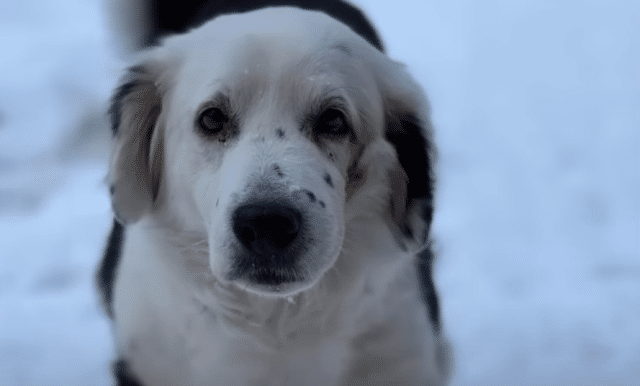
Most remarkable was the transformation in his eyes.
Where there had once been sadness and waiting, there was now trust. Warmth. Contentment. Chito no longer looked like a dog searching for something he had lost. He looked like a dog who had finally found what he deserved all along.
His journey serves as a powerful reminder of the emotional depth animals carry. Dogs don’t simply exist alongside humans—they form bonds, hold onto memories, and feel the sting of rejection in ways we often underestimate. Chito’s story shows just how deeply loyalty can run, and how devastating it can be when that loyalty is not returned.
At the same time, his story is also about redemption.
It proves that even after prolonged neglect, healing is possible. Not just physical healing, but emotional healing too. With consistent care, patience, and genuine affection, Chito didn’t just survive—he flourished. He didn’t become hardened or withdrawn. Instead, he chose trust again.
Today, Chito’s life looks entirely different from the one he once knew. He wakes up to open doors instead of closed gates. He is greeted with gentle voices instead of rejection. His days are filled with routine, comfort, and companionship. He belongs—not because he waited long enough, but because someone finally stepped forward.
Chito’s journey reminds us that compassion doesn’t require grand gestures. Sometimes, it begins with simply noticing. With refusing to walk past suffering and telling ourselves it’s not our responsibility. One person’s decision to care can rewrite an entire life.
No dog should ever have to wait outside a gate hoping to be loved again. Chito doesn’t wait anymore. He has found his place, his people, and the safety he was always searching for.
And in doing so, he leaves us with a quiet but powerful lesson: loyalty deserves kindness, and love—when finally given—has the power to heal even the deepest wounds.