A Nation Caught Between Care and Concern
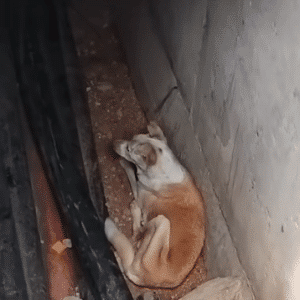
Across India, a quiet but intense debate has been unfolding. On one side are animal lovers, rescuers, and advocates who believe deeply in humane treatment for stray dogs. On the other are families who fear for their children’s safety after a series of distressing attacks.
It is not a simple issue. It is not black and white. It is a story about compassion, responsibility, and the fragile balance between human safety and animal welfare.
Recently, the conversation reached the highest court in the land.
The Supreme Court’s Revised Decision
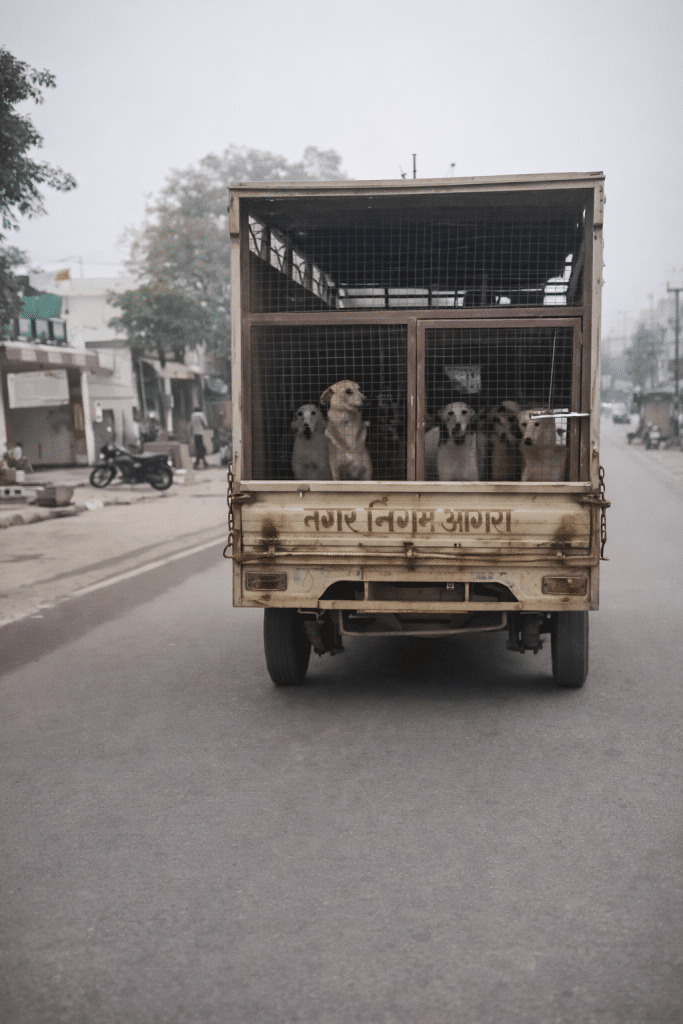
The Supreme Court of India issued a modified ruling regarding the management of stray dogs. Under the revised order, stray dogs captured by municipal authorities must be sterilized, vaccinated, and then released back into the same area where they were originally found.
There are limited exceptions. Dogs diagnosed with rabies or those exhibiting extreme aggression are not to be released.
In addition, the Court placed restrictions on feeding stray dogs in unregulated public spaces. Authorities are required to create designated feeding zones. Individuals who interfere with vaccination efforts or violate feeding regulations may face penalties.
For many animal welfare advocates, including prominent voices like Maneka Gandhi, the ruling brought relief. They argue that relocating stray dogs to unfamiliar areas can increase fear and territorial aggression, potentially leading to more incidents.
Yet, as policies were being debated, real lives were being affected.
A Child in Tamil Nadu
In the district of Tirunelveli in Tamil Nadu, a young second-grade girl named Preethika was playing outside her home after school. It was an ordinary afternoon, one that should have been filled with laughter and routine.
Instead, she was suddenly attacked by a stray dog.
Her injuries were severe, and she was rushed to the Government Hospital in Ambasamudram for urgent medical care. Doctors began immediate treatment, working to stabilize her and address the damage.
Video: A Nation Divided Between Protection and Fear
For her family, the legal debates and policy discussions must have felt distant. In that moment, only one thing mattered: their daughter’s recovery.
When Even Pet Ownership Becomes a Concern
Stray dogs are not the only source of anxiety.
In Ghaziabad, Uttar Pradesh, CCTV footage from a residential complex captured another troubling incident. A woman walking in the hallway of her apartment building was suddenly chased by a neighbor’s German Shepherd.
Startled and attempting to escape, she lost her footing and fell down the stairs, sustaining serious injuries.
According to reports, she had previously expressed concerns about the dog’s aggressive behavior. A formal complaint was later filed at the Nandgram police station.
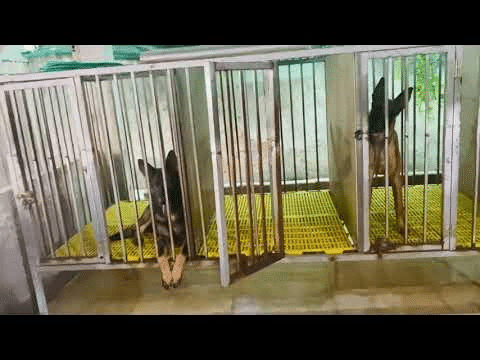
The case highlights another layer of the issue: responsible pet ownership. Even beloved pets can become a risk if not properly trained, supervised, and controlled in shared living spaces.
The Emotional Divide
What makes this situation so complex is that both sides speak from genuine concern.
Animal welfare groups emphasize that sterilization and vaccination programs are scientifically proven methods to gradually reduce stray populations humanely. They warn that cruelty, relocation, or culling can worsen aggression and destabilize dog communities.
At the same time, parents worry every time their child steps outside to play. Residents in crowded neighborhoods feel vulnerable when stray packs roam freely. Apartment dwellers expect safety in shared corridors and stairwells.
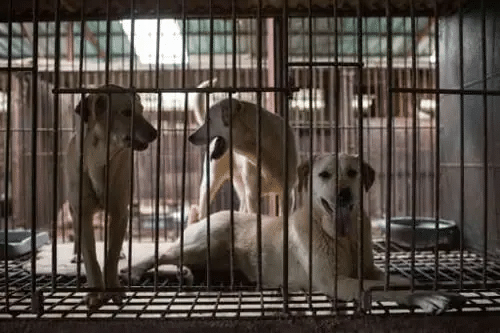
Both compassion and fear are real. Both deserve to be heard.
The Question of Responsibility
Ultimately, this is not only about stray dogs. It is about systems.
Are sterilization programs being implemented consistently and effectively?
Are vaccination drives reaching enough animals to prevent disease?
Are pet owners being held accountable for ensuring their animals do not pose a danger?
Where management fails, tension grows. And when trust in public systems weakens, communities feel divided.
The answer may not lie in choosing between animals and people, but in building stronger structures that protect both.
Finding a Balanced Path Forward
For many observers around the world, especially those who care deeply about animals while also prioritizing community safety, India’s situation offers an important lesson.
Humane policies must be matched with practical safeguards.
Compassion must walk hand in hand with accountability.
Care for animals must never ignore the safety of children.
The conversation continues, and the stakes are high. Families hope for safer neighborhoods. Advocates hope for kinder treatment of vulnerable animals.
Perhaps the real solution lies not in opposition, but in shared responsibility.
What do you think is the fairest way to balance compassion with public safety?