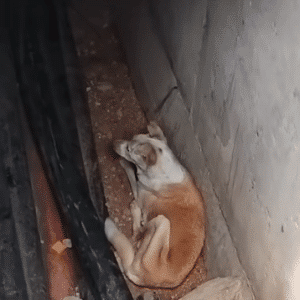
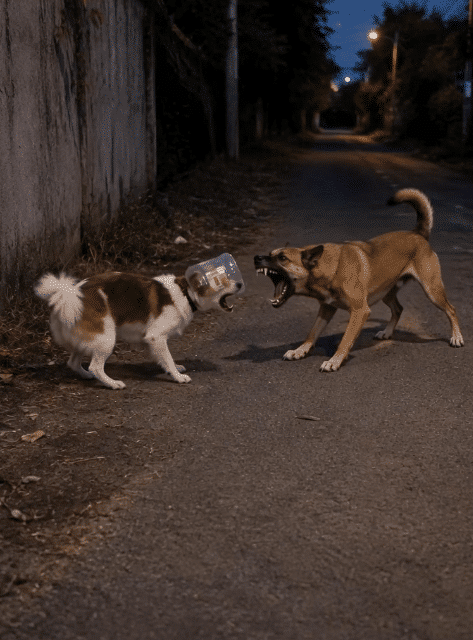
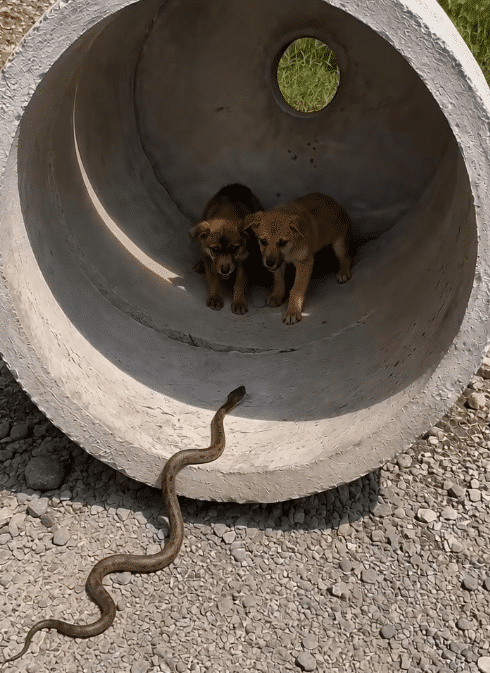
Utah’s first experiences taught him to be afraid.
Before he ever understood what safety was, he learned what it meant to feel vulnerable. As a small puppy behind an abandoned factory, Utah faced confusion and pain without knowing why. The world felt loud and unpredictable. Instead of comfort, he encountered fear, and instead of protection, he learned to brace himself.
When someone finally stepped in, Utah was barely holding on.
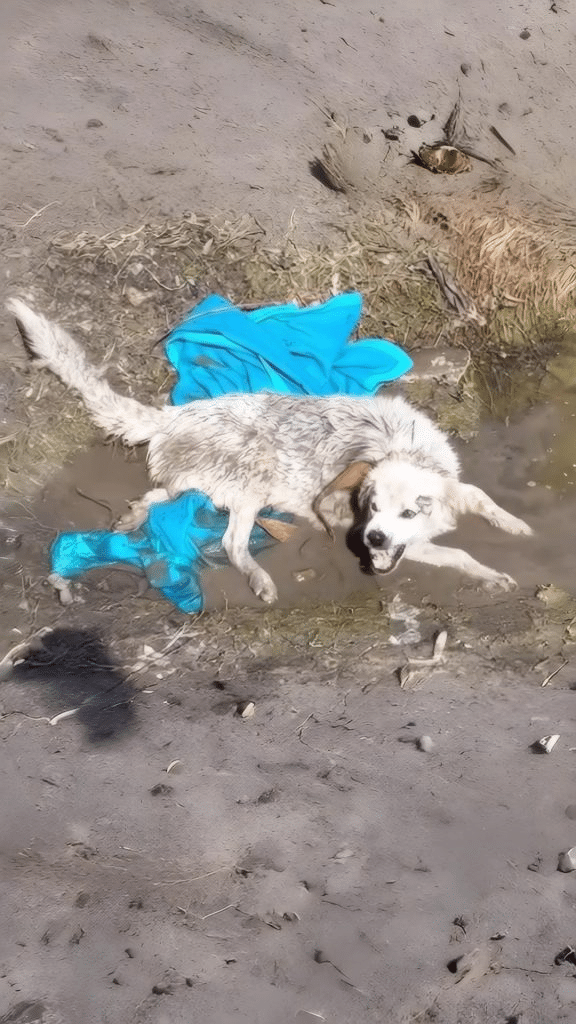
His jaw injury made movement difficult, and his damaged eye limited his vision. His small body shook constantly, not only because of physical pain, but because fear had become his instinct. Though he was rescued from harm, Utah didn’t understand that danger had passed.
The man who intervened did what he thought was best and brought Utah to a shelter. Unfortunately, the shelter lacked the ability to provide immediate care. Utah spent days lying still in a cold space, injured and untreated. He didn’t cry. He didn’t struggle. He simply waited, conserving what little strength he had.
But the man who had first noticed him couldn’t forget.
When he returned and saw Utah unchanged, he knew time had run out. Without hesitation, he brought the puppy to a veterinary clinic where trained professionals took action immediately.
Examinations revealed the full scope of Utah’s injuries. His jaw fracture required surgery, and his damaged eye needed to be removed to prevent further pain. Though the procedures were serious, they offered something Utah had never had before—a chance to heal.
Video Utah’s Journey: From Fear-Filled Beginnings to a Life Built on Trust
After surgery, recovery was slow and emotional.
Utah woke up confused, surrounded by new sounds and unfamiliar faces. Though his body had begun to recover, trust did not come easily. He stayed withdrawn, flinched at sudden movements, and refused food at first. Fear still guided his reactions.
But his caregivers understood something crucial.
Healing isn’t rushed.
They created a calm environment. Voices stayed gentle. Movements were slow. No one forced interaction. Utah was allowed to observe, to decide, to breathe. Food was offered patiently. Presence replaced pressure.
Gradually, Utah responded.
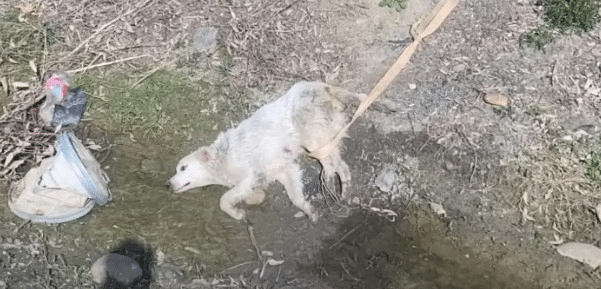
He lifted his head when someone entered the room. He ate small portions. His body relaxed. Then one day, he stood on his own. His legs trembled, but he stayed upright. It was a moment that signaled more than physical recovery—it marked emotional courage.
Walking came next.
Each step was cautious, but each one built confidence. Loud noises still startled him. Crowded spaces overwhelmed him. But instead of pushing him forward, his caregivers adapted. They built routines. Introduced calm companions. Offered reassurance instead of correction.
Month by month, Utah transformed.
His jaw healed enough for normal eating and play. His missing eye became part of who he was, not something that held him back. He began running freely, tail wagging with excitement. He learned the comfort of warm naps and gentle affection.
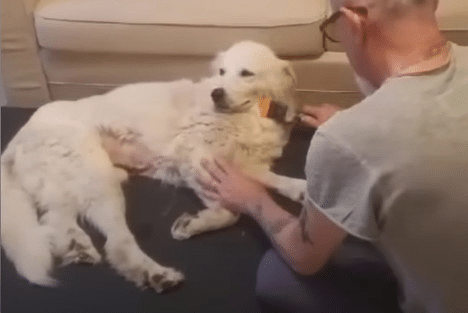
The puppy who once lay frozen in fear became a joyful, confident dog.
Today, Utah lives without fear. He trusts human hands. He enjoys life fully. His past no longer defines him. His journey stands as proof that even the most difficult beginnings can lead to beautiful endings when compassion leads the way.
Utah doesn’t know how close he came to losing everything. What he knows now is simple: he is safe, he is loved, and his life matters.